
"SL28 SL34"
600 article(s) found

Introduction to the characteristics and stories of Arabica bourbon and common bourbon varieties
I believe that many friends will marvel at the huge system of growing coffee beans when they first come into contact with coffee. Like Kaddura, a common coffee bean in Latin American coffee producing areas, it is naturally mutated from a bourbon variety, so what other varieties of bourbon coffee? With this doubt, please follow the editor into today's coffee knowledge popularization, Jane of the bourbon family and his mutant family.

Kenyan coffee variety, Kenyan coffee growing area
Following Cafe Review (Wechat official account vdailycom) found that Beautiful Cafe opened a small shop called ConnoisseursCup, which is famous in the coffee industry for its rich aroma, bright and vibrant acidity, fullness and elegance, and red wine flavor. Caffeine in different producing areas has its own subtle flavor due to the difference of microclimate.

Kenyan Kachisha AA TOP Coffee Bean Nieli Manor Kenyan coffee bean flavor
Professional coffee knowledge exchange more coffee bean information please follow the coffee workshop (Wechat official account cafe_style) selected Kenyan AA coffee characteristics of Kenya's most famous boutique coffee-Neri is close to the world coffee native Ethiopia, Kenya is famous for producing high-quality Arabica water-washed beans, coffee was introduced to Kenya by the British around 1900
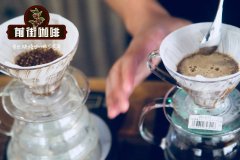
Kenya AA Meru production area Jijali processing Plant Kenya Coffee Brand handmade Coffee beans recommended
Professional coffee knowledge exchange more coffee bean information please follow the coffee workshop (Wechat official account cafe_style) Product name: Kenya Meru production area AA (Kenya Meru Kigari AA) flavor description: flower, kiwi fruit, orange fruit notes and berry aromas, caramel, honey sweet, sweet and meticulous producing country: Kenya (Kenya):

Kenya Coffee Bean Varieties Growing History_Elgon Mountains Bourbon Kent Coffee Flavor Characteristics
Professional coffee knowledge exchange More coffee bean information Please pay attention to coffee workshop (Weixin Official Accounts cafe_style) A brief history of Kenyan coffee cultivation The varieties originally introduced into Kenya were Bourbon and Kent in India, and later introduced from Jamaica Blue Mountain Tibika varieties planted in Mount Elgon. But Kenya coffee's famous blackberry flavor is not Blue Mountain, Kent or traditional

Characteristics of Kenya hole fish beans Kenyan hole fish coffee drinking method
Professional baristas Please follow the Coffee Workshop (Wechat official account cafe_style) the fresh coffee fruits of this batch of hole fish AA are picked and processed by 250 farmers in the Kongyu processing plant under the jurisdiction of the Kabare farmers' cooperative. After peeling, fermenting and cleaning the coffee from the nearby Kongyu River, the coffee will be used in an African drying bed for drying. Every picking season, farmers are going to

Kenyan Coffee producing area Burbanken Special Coffee from Elgonne Mountains tastes Kenyan Coffee History
For more information about coffee beans, please follow the Coffee Workshop (Wechat official account cafe_style) A brief history of coffee cultivation in Kenya was first introduced in Bourbon and Kent in India, and later Blue Mountain Tibica varieties were introduced from Jamaica and planted in the Elgonne Mountains. But the famous BlackBerry flavor of Kenyan coffee is not Blue Mountain, Kent or traditional waves.

How does Kenyan hole fish taste? how does Kenyan coffee brew?
For the exchange of professional baristas, please follow the hole fish made by hand in the coffee workshop (Wechat official account cafe_style). 15g powder, medium fineness grinding (small Fuji ghost tooth cutter 3.5grinding), v60 filter cup, 9193 degrees water temperature, 30g water injection for the first time, steaming for 27 seconds, water injection to 105g water cut off, wait for the water volume of powder bed to be reduced to half and then water injection, slow water injection until 225g water, do not use water at the end.

Difference of Coffee Flavor between Neri and Kirin Yajia producing areas in Kenya introduction of Kenyan coffee varieties
Kenyan coffee plant varieties Kenya's red-orange, fertile volcanic soil and the region's mild climate as well as ideal equatorial sunlight and a carefully selected Kenyan coffee plant variety SL 28 SL 34 K7 Ruiru 11 Batian-all unique to East Africa, as well as the Blue Mountains. These varieties may make Kenya the most stable world-class boutique coffee producer in the world. Kenny.

Coffee production area Guide: Kenya's unique double fermentation treatment and the world-famous SL28&34
For the exchange of professional baristas, please follow the knowledge of the coffee workshop (official Wechat account cafe_style) about coffee producing areas, which have been detailed by many predecessors in the industry, and even advanced people have gone to famous producing areas in various countries in person to participate in cup testing and audition for the introduction of high-quality items to Taiwan, which is really a blessing for Taiwan consumers. Here, I would like to briefly explain the major coffee in the world from another angle.

The species, brand recommendation and manor of Cabaret hole fish in Kenya washed AA Krinyaga producing area
Professional baristas Please follow the Coffee Workshop (Wechat official account cafe_style) the fresh coffee fruits of this batch of hole fish AA are picked and processed by 250 farmers in the Kongyu processing plant under the jurisdiction of the Kabare farmers' cooperative. After peeling, fermenting and cleaning the coffee from the nearby Kongyu River, the coffee will be used in an African drying bed for drying. Every picking season, farmers are going to

Kenyan hole fish hand data how to drink Kenyan hole fish coffee
For the exchange of professional baristas, please follow the hole fish made by hand in the coffee workshop (Wechat official account cafe_style). 15g powder, medium fineness grinding (small Fuji ghost tooth cutter 3.5grinding), v60 filter cup, 9193 degrees water temperature, 30g water injection for the first time, steaming for 27 seconds, water injection to 105g water cut off, wait for the water volume of powder bed to be reduced to half and then water injection, slow water injection until 225g water, do not use water at the end.

How did Kenya AA Kong Fish Coffee come from? how to grade Kenya AA coffee beans?
Professional baristas Please follow the Coffee Workshop (Wechat official account cafe_style) the fresh coffee fruits of this batch of hole fish AA are picked and processed by 250 farmers in the Kongyu processing plant under the jurisdiction of the Kabare farmers' cooperative. After peeling, fermenting and cleaning the coffee from the nearby Kongyu River, the coffee will be used in an African drying bed for drying. Every picking season, farmers are going to

What are the brewing steps of Kenya AA Coffee Brand Kenya AA Coffee
For the exchange of professional baristas, please follow the hole fish made by hand in the coffee workshop (Wechat official account cafe_style). 15g powder, medium fineness grinding (small Fuji ghost tooth cutter 3.5grinding), v60 filter cup, 9193 degrees water temperature, 30g water injection for the first time, steaming for 27 seconds, water injection to 105g water cut off, wait for the water volume of powder bed to be reduced to half and then water injection, slow water injection until 225g water, do not use water at the end.

How about Kenyan AA Kong Fish Coffee beans? which brand of Kenyan AA coffee is good?
Professional barista exchange please follow the coffee workshop (Wechat official account cafe_style) flavor description: strong dry and wet aromas of lemon and plum, shallow roasting with floral, lemon and other amazing aromas, but also have a variety of sweet and sour juicy like grapefruit green tea, citrus juice, slightly deepen the baking and then have a variety of flavors of honey and covered black plum, while the aftertaste is Duoduo green tea.
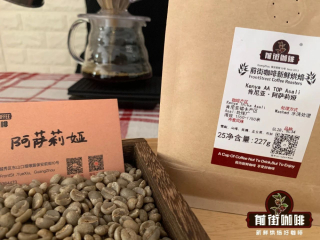
Introduction to the types of coffee beans in Kenya, grown in coffee-producing areas in Kenya
Following Caf é (official Wechat account vdailycom) found that the Beautiful Caf é opened its own shop in 1878, when the British brought coffee to Africa and set up a coffee plantation in Kenya in the 19th century, when Ethiopian coffee drinks were imported to Kenya through Southern Yemen.

Kenyan boutique coffee African boutique coffee beans
Kenya, located in East Africa, is one of the major coffee producing countries. More than 6 million people in the country are engaged in the coffee industry, mostly in the form of a combination of small farmers and cooperatives. Coffee trees in Kenya are mostly planted at 1400 m-2000 m above sea level, and the growing areas include Ruiri, Thika, Kirinyaga and Mt. Kenya West, Nyeri, Kiambu and Muranga. With Mt.Kenya and Ab

Classification, price, raw bean and baking degree of Cabaret orifice fish in Kenya washed AA Krinyaga area
Professional barista exchange please follow the coffee workshop (Wechat official account cafe_style) flavor description: strong dry and wet aromas of lemon and plum, shallow roasting with floral, lemon and other amazing aromas, but also have a variety of sweet and sour juicy like grapefruit green tea, citrus juice, slightly deepen the baking and then have a variety of flavors of honey and covered black plum, while the aftertaste is Duoduo green tea.

Difference, distinction and award-winning situation of Cabaret hole fish in Kenyan water-washed AA-grade Kraba producing area
For professional baristas, please pay attention to the coffee workshop (Wechat official account cafe_style). Coffee trees in Kenya are mostly planted at 1400-2000 meters above sea level, growing areas including Ruiri, Thika, Kirinyaga and Mt. Kenya West, Nyeri, Kiambu and Muranga. Mainly in the foothills of Mt.Kenya and Aberdare. There are many producing areas in Kenya trying to keep the original.

Water washing process at Gatugi treatment plant in Nyeri, Kenya
Kenya, located in East Africa, is one of the major coffee producing countries, with more than six million people engaged in the coffee industry, mostly in the form of a combination of small farmers and cooperatives. Coffee trees in Kenya are mostly grown at altitudes of 1400 m to 2000 m and grow in areas including Ruiri, Thika, Kirinyaga, Mt. Kenya West, Nyeri, Kiambu and Muranga. Mt.Kenya and Aberdare